
Phase 1 and Phase 2 are the two stages of two-phase orthodontic treatment. Phase 1, or early treatment, happens while your child still has baby teeth, usually between ages 7 and 10, and guides jaw growth and makes room for permanent teeth. Phase 2 is a full course of braces on the permanent teeth, usually starting around ages 11 to 14, to align everything and perfect the bite.
The two phases aren’t an either-or choice. They happen in order, with a resting period in between while the remaining permanent teeth come in. Not every child needs Phase 1, but those who do still go on to Phase 2 later.
What Is Phase 1 Orthodontic Treatment?
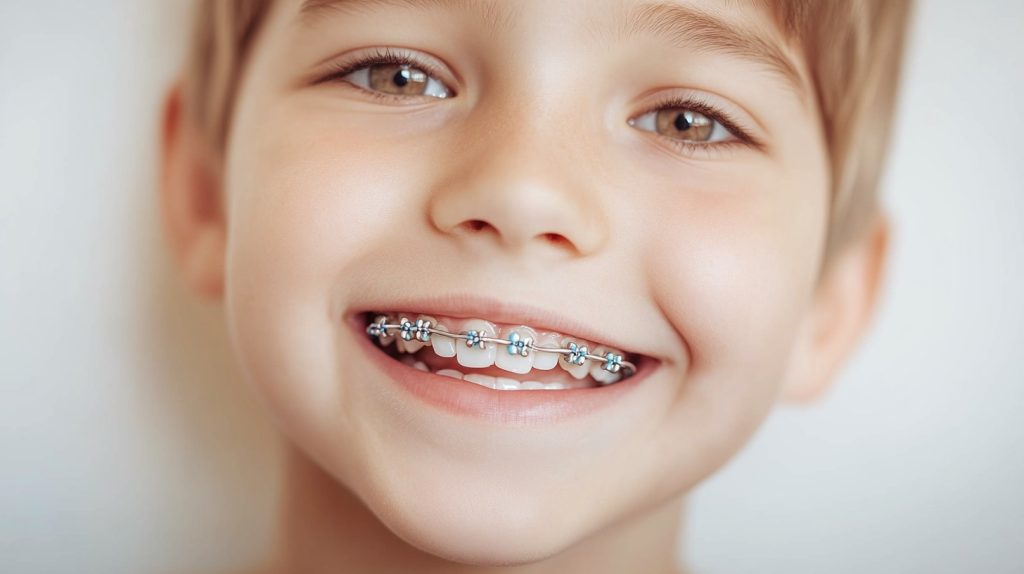
Phase 1, also called early or interceptive treatment, is orthodontic care done while a child still has a mix of baby and permanent teeth. It usually happens between the ages of 7 and 10, before all the adult teeth come in.
The goal of Phase 1 isn’t a perfectly straight smile. It’s to guide jaw growth, make room for permanent teeth, and fix serious bite problems early, while the jaw is still growing and easy to shape.
Phase 1 often uses appliances instead of a full set of braces. Common ones include palate expanders, space maintainers, partial braces on a few teeth, and habit appliances that help a child stop thumb-sucking.
Phase 1 usually lasts about 9 to 18 months. After that, your child gets a retainer and enters a waiting period while the orthodontist monitors the remaining teeth coming in.
What Is Phase 2 Orthodontic Treatment?

Phase 2 is the full course of braces or clear aligners on the permanent teeth. It usually starts between the ages of 11 and 14, once most or all of the adult teeth have come in.
The goal of Phase 2 is to align every tooth and fine-tune the bite. This is the stage most people picture when they think of braces.
Phase 2 usually lasts about 12 to 24 months, though it depends on the case. If your child had Phase 1 first, Phase 2 is often shorter and simpler because the major jaw and bite problems have already been addressed.
After the braces come off, your child wears a retainer to keep the teeth in place.
Phase 1 vs Phase 2 – Key Differences
The main difference is timing and purpose. Phase 1 guides growth in younger kids, while Phase 2 aligns the permanent teeth in older kids. Here’s how the two stages compare side by side.
| Phase 1 (Early Treatment) | Phase 2 (Comprehensive) | |
| Typical age | 7–10 years | 11–14 years |
| Main goal | Guide jaw growth, make room, fix major bite issues | Align all permanent teeth, perfect the bite |
| Common tools | Expanders, space maintainers, partial braces, habit appliances | Full braces or clear aligners |
| Duration | 9–18 months | 12–24 months |
| Typical US cost | $2,000–$4,500 | $3,000–$7,000 |
Phase 2, after Phase 1 is complete, is often at the lower end of the cost range, since there’s less work left to do.
How Much Do Phase 1 and Phase 2 Cost?

In the US, Phase 1 treatment usually costs $2,000 to $4,500, and Phase 2 usually costs $3,000 to $7,000. The exact price depends on your child’s needs, the appliances used, and where you live.
Doing both phases costs more than a single round of braces, usually about 25% more. That’s because you’re paying for two active treatment periods, two sets of retainers, and the checkups in between.
Dental insurance with orthodontic benefits can help, but it usually has a lifetime cap, often between $1,000 and $3,000, and many plans cover around half of the cost up to that cap. Because the cap is for life and doesn’t reset, Phase 1 may use up much of it, leaving less for Phase 2.
You can also use an FSA or HSA to pay with pre-tax dollars, and most orthodontists offer monthly payment plans. It’s worth asking the office to check your benefits before treatment starts.
Does Your Child Really Need Phase 1 Treatment?
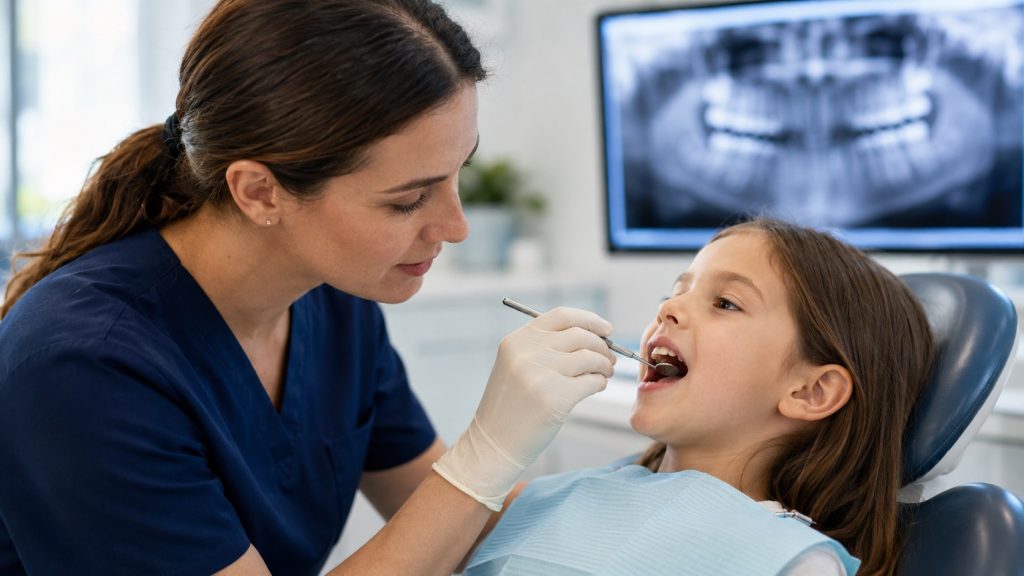
Most children don’t need Phase 1. They can wait and have a single round of braces as a teen. Phase 1 is recommended only when an early problem is easier or safer to fix while the jaw is still growing.
Phase 1 tends to make sense for issues such as a crossbite, a narrow upper jaw, severe crowding, an underbite, or front teeth that protrude far enough to risk injury.
For these cases, early treatment can lower the risk of damage to the front teeth and sometimes make later braces shorter and simpler. The clearest proven benefit is the protection of prominent front teeth from injury.
For milder cases, research shows that starting early usually doesn’t yield a better final result than waiting until a later round of braces. So if your orthodontist suggests waiting, that’s often the right call. The American Association of Orthodontists recommends a first checkup by age 7, which is about spotting problems early, not starting braces early.
What Happens Between Phase 1 and Phase 2?
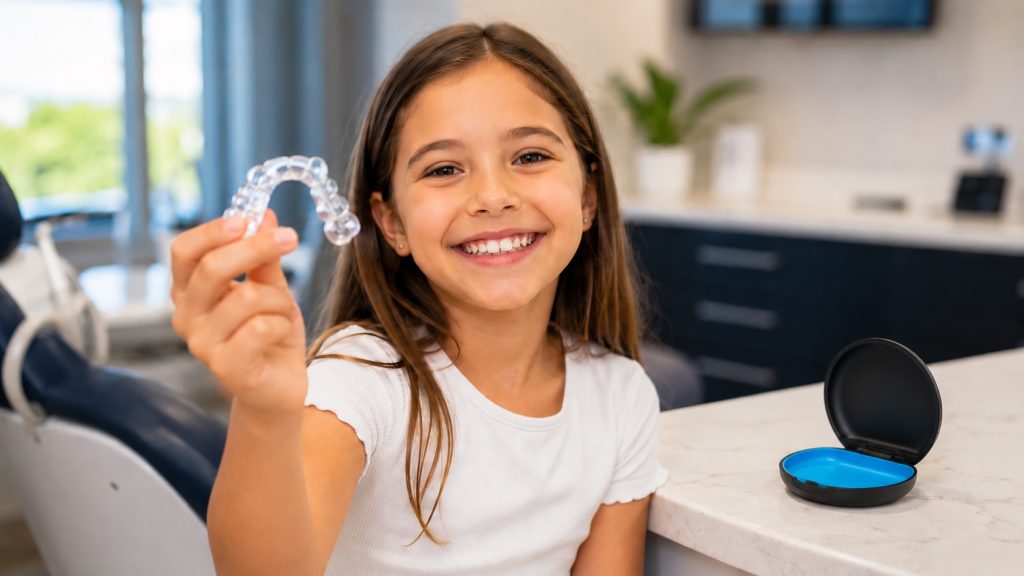
Between the two phases, your child enters a resting and watching period while the remaining permanent teeth come in. There are no active braces during this time.
Your child wears a retainer to hold the results of Phase 1 and visits the orthodontist every 6 to 12 months. At these check-ins, the orthodontist tracks the baby teeth falling out and the adult teeth coming in.
This resting period usually lasts one to three years, and sometimes longer. Phase 2 begins once enough permanent teeth are in place to start full braces.
Frequently Asked Questions
Are Phase 1 braces cheaper than Phase 2?
Yes, usually. Phase 1 typically costs $2,000 to $4,500, while Phase 2 costs $3,000 to $7,000. Phase 1 is shorter and more targeted, so it usually costs less than a full round of braces.
Does insurance cover Phase 1 orthodontics?
Often, in part. Many dental plans with orthodontic benefits cover about half the cost, with a lifetime cap of $1,000 to $3,000. Since that cap is for life and doesn’t reset, Phase 1 can use up much of it, leaving less for Phase 2.
Do you get retainers after Phase 1 braces?
Yes. After Phase 1, your child wears a retainer to maintain the new spacing and bite while the permanent teeth come in. The orthodontist checks the retainer at regular visits during the resting period.
Why do orthodontists do two phases?
Two phases let the orthodontist fix jaw and bite problems early, while the jaw is still growing, and then align the permanent teeth later. For the right cases, this can protect the front teeth from injury and make later treatment simpler.
Do kids really need Phase 1 braces?
Most kids don’t. Phase 1 is recommended only for specific early problems, such as a crossbite, severe crowding, or protruding front teeth. Many children can skip it and have a single round of braces as a teen instead.
What is a two-phase treatment in orthodontics?
Two-phase treatment splits orthodontic care into two stages with a break in between. Phase 1 guides growth in younger children, and Phase 2 aligns the permanent teeth a few years later, once they’ve come in.
Title:
Phase 1 vs Phase 2 Orthodontic Treatment – Ages, Cost & Goals
Description:
Phase 1 vs. Phase 2 orthodontic treatment: Phase 1 (ages 7–10) guides jaw growth; Phase 2 (ages 11–14) aligns permanent teeth. See the differences in goals, timing, duration, and US cost, plus whether your child needs Phase 1
Summary:
Phase 1 vs Phase 2 orthodontic treatment are the two stages of two-phase care. Phase 1 (early treatment, ages 7–10) guides jaw growth and makes room for permanent teeth, while Phase 2 (ages 11–14) uses full braces to align the permanent teeth and perfect the bite. Phase 1 costs $2,000–$4,500 and Phase 2 costs $3,000–$7,000


