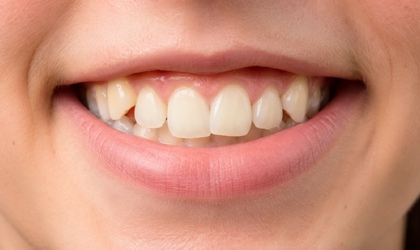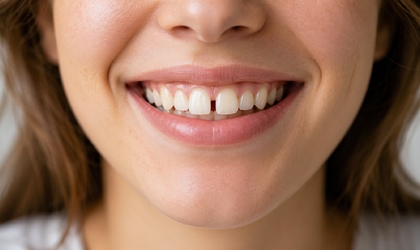
If you’re interested in teeth straightening procedures, you should know that there are a whole host of benefits to having straight teeth. If you’re worried the process won’t be worth the result, don’t be because there are numerous long-term health benefits you can gain from straighter teeth.
Fewer Cavities
It’s very difficult to keep misaligned teeth clean and unclean teeth can mean long-term damage and cavities. Getting more cavities means extra trips to the dentist and more time having cavities filled, which can be painful. Teeth straightening can help you save money and keep the cavities away.
Clearer Speaking
Misaligned teeth can also affect your ability to speak, leading to lisps or speech impediments. With proper teeth straightening, you can speak more clearly and be more confident.
Better Sleep
Believe it or not, crooked teeth can affect your sleep and cause issues like sleep apnea. According to Humana, more than four million people in the United States wear braces and by getting them to straighten your teeth, you’ll be able to sleep much easier.
More Confidence
Many folks with crooked teeth may feel self-conscious about their appearance or their smiles. Teeth straightening is the perfect way to boost your self-esteem and reduce your levels of stress.
Fewer Accidents
If you happen to find yourself in a situation where you get hit in the mouth, crooked teeth can be at risk. With straighter teeth, your pearly whites are less at risk of being chipped or knocked out. Having your teeth straightened now can save you from doing irreparable damage later.
Protecting Your Gums
Since misaligned teeth can be hard to clean, it also puts your gums at risk for conditions like gingivitis. Gum disease alone can cause a host of problems like bleeding and redness. Bottom line, straighter teeth can also mean healthier gums.
Stronger Teeth
The older we get, the more important it is to care for our teeth. Crooked teeth can deteriorate faster, especially with a lot of wear and tear.
Jaw Protection
With crooked teeth, you leave yourself vulnerable to TMI and other jaw disorders. These disorders can cause pain in other areas of the body besides your mouth, including dizziness and upper body pain.
Better Digestion
With straighter teeth, you can have better digestion because you’ll be able to chew food easier. You’ll also be able to enjoy food more too.