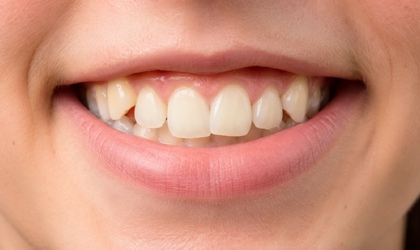
A gap between teeth, called a diastema, can be fixed with dental bonding, veneers, clear aligners, or braces. The best option depends on what’s causing the gap and how big it is. A small front-tooth gap is often closed in one visit with bonding, while larger gaps or several gaps are usually closed by moving the teeth with aligners or braces.
Most gaps are easy to treat, and many are purely cosmetic. The first step is a quick check with a dentist, who can tell you what’s behind your gap and which fix makes the most sense for you.
What Causes a Gap Between Teeth?
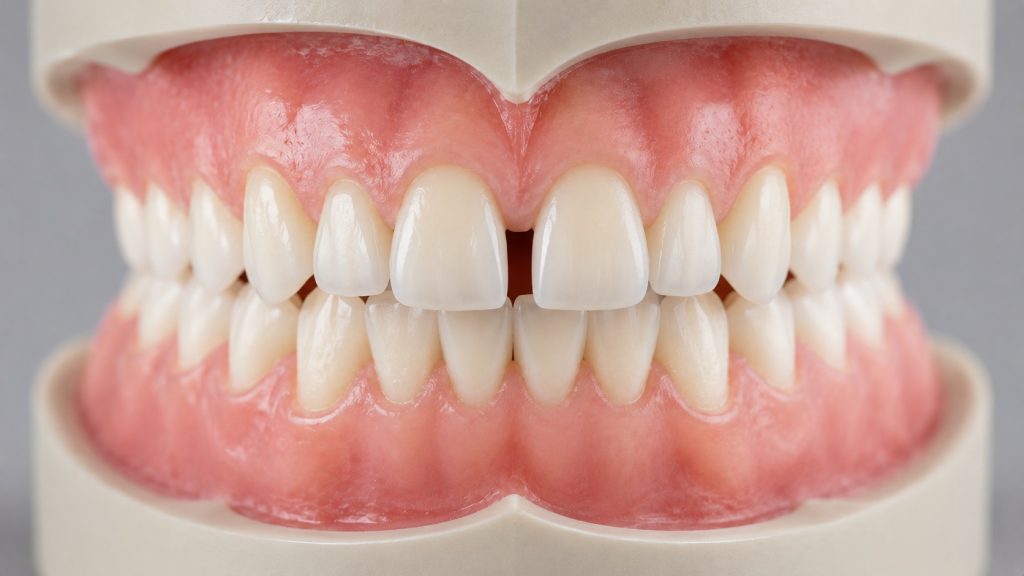
A gap usually forms when there’s a mismatch between the size of your teeth and the size of your jaw, so if your teeth are relatively small or your jaw is wide, the extra room allows spaces to open up between the teeth.
Several other things can cause or add to a gap.
- Small, missing, or unusually shaped teeth
- An oversized labial frenum, the tissue between your lip and gums
- Thumb-sucking or tongue-thrusting that pushes teeth forward
- Gum disease that loosens teeth and lets them drift
Gaps are often genetic, so they tend to run in families. A gap between the two upper front teeth, called a midline diastema, is the most common type.
How to Fix a Gap Between Teeth
A gap is closed either by building up the surrounding teeth or by moving the teeth closer together. The right choice depends on the gap’s size and cause, and the main options are below.
| Treatment | Best for | Typical US cost |
| Dental bonding | Small single gaps | $100–$600 per tooth |
| Veneers | Small gaps, full smile makeover | $900–$2,500 per tooth |
| Clear aligners | One or several gaps, moving teeth | $3,000–$8,000 |
| Braces | Larger gaps or complex cases | $3,000–$7,000 |
| Frenectomy | Gaps caused by an oversized frenum | $250–$1,200 |
Bonding and veneers close the space by adding material to the teeth, so the gap is gone the same day or within a couple of visits. Aligners and braces actually move your teeth together, which takes months but keeps your natural teeth and corrects the alignment, not just the look.
If a gap is caused by an oversized frenum, a frenectomy removes the extra tissue first, and then the teeth are usually moved or bonded to close the remaining space.
Can You Close a Gap Without Braces or Naturally?

Yes, you can close a gap without traditional braces, but you can’t safely close one naturally or on your own, and the difference between those two situations matters.
Closing a Gap Without Braces
Plenty of options close a gap without braces. Clear aligners move teeth together with removable trays instead of brackets and wires. Bonding and veneers skip moving the teeth entirely and instead close the space by reshaping them, which makes bonding the quickest no-braces fix for many small front-tooth gaps.
Closing a Gap Naturally or Yourself
You can’t close an adult gap naturally, and you should never try to do it yourself. There’s no exercise or tongue trick that moves teeth, and DIY methods like gap bands or finger pressure are dangerous. They can loosen or even kill teeth and open new gaps somewhere else.
The one natural exception occurs in children, whose gaps are very common and often close on their own as the adult teeth, especially the canines, come in.
How Much Does It Cost to Fix a Gap Between Teeth?
The cost to fix a gap depends on the method you choose. In the US, dental bonding costs $100 to $600 per tooth, and since a gap usually involves the two teeth beside it, the total often ranges from $200 to $1,200. Veneers cost more, from $900 to $2,500 per tooth, but they last longer.
Moving the teeth costs more overall. Clear aligners run $3,000 to $8,000; at-home aligner brands are cheaper at $1,000 to $2,500 for mild cases, and braces cost $3,000 to $7,000.
The cheapest professional way to close a small gap is usually dental bonding, since it’s done in a single visit. Keep in mind that cosmetic fixes like bonding and veneers usually aren’t covered by insurance, though an FSA or HSA may help, and orthodontic benefits can offset the cost of aligners or braces.
Do You Need to Fix a Gap Between Teeth?

A gap between teeth is usually a cosmetic issue rather than a health problem, so you don’t have to fix it if it doesn’t bother you, and plenty of people happily keep their gap as part of their smile.
There are times when treatment is worth it, though, because a gap can trap food and make cleaning harder, which can lead to gum problems, and sometimes a gap signals an underlying issue like gum disease or a misaligned bite that needs attention. A quick exam tells you whether your gap is purely cosmetic or worth treating for your health.
Frequently Asked Questions
Is a gap between teeth genetic?
Often, yes. Gaps often run in families, usually because traits such as jaw and tooth size are inherited. Habits like thumb-sucking and conditions like an oversized frenum can also cause a gap, so it isn’t always genetic.
What is the cheapest way to fix a gap between teeth?
Dental bonding is usually the least expensive professional option for a small gap, costing about $100 to $600 per tooth in one visit. At-home clear aligners are the most affordable way to actually move the teeth. Avoid cheap gap bands, which are unsafe.
Can I push my front teeth together with my fingers?
No, and you shouldn’t try. Pushing on your teeth won’t close a gap and can damage the roots, loosen the teeth, or create new problems. Closing a gap safely takes a dentist or orthodontist.
At what age do teeth gaps close?
Childhood gaps often close on their own by about age 12, once the permanent canine teeth come in. If a gap remains after that, it usually won’t close without treatment.
How long does it take to close a tooth gap?
It depends on the method. Bonding and veneers close a gap the same day or within a couple of visits. Clear aligners or braces take longer, usually around 5 to 12 months, since they move the teeth.
Is it okay to leave a tooth gap untreated?
Usually, yes. If your gap doesn’t trap food, cause gum problems, or come from a bite issue, it’s perfectly fine to leave it alone. It’s still smart to have a dentist check it once to rule out any hidden cause.