
Crowded teeth happen when there isn’t enough room in the jaw for all your teeth, so they overlap, twist, or get pushed out of line. It’s one of the most common reasons people get orthodontic treatment, and it usually comes down to the jaw being too small for the teeth.
The good news is that crowding is very treatable at almost any age. Most cases are fixed with braces or clear aligners, and more severe cases may also require an expander or the removal of a tooth to make space.
What Are Crowded Teeth?
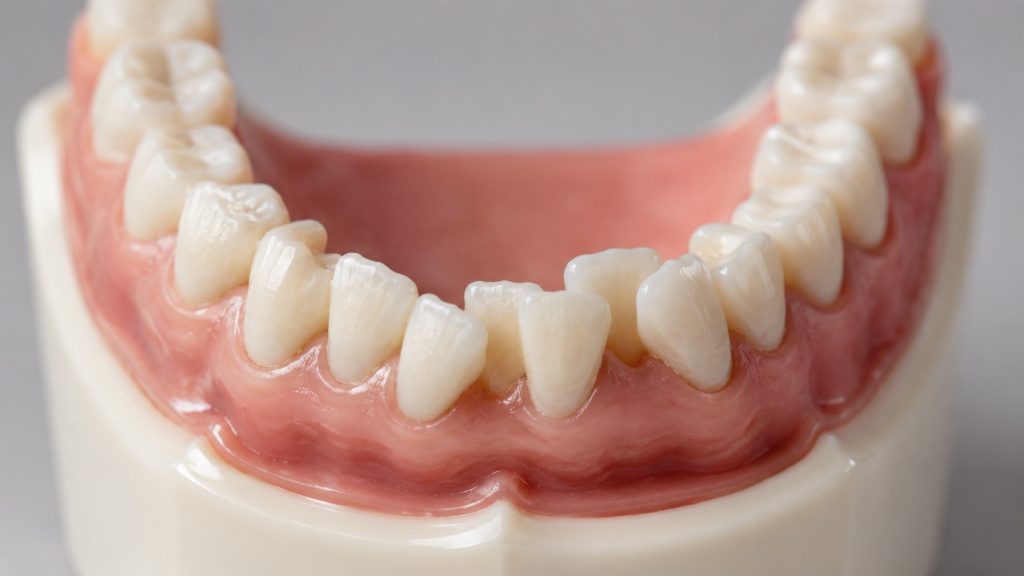
Crowded teeth are teeth that are packed too tightly together because the jaw doesn’t have enough space for them. When teeth run out of room, they start to overlap, rotate, or sit in front of or behind each other.
Crowding is a type of malocclusion, which is the dental term for teeth that don’t line up properly when you close your mouth. It ranges from mild, where one or two teeth are slightly out of line, to severe, where many teeth overlap, and there’s little room to fix them without creating space first.
What Causes Crowded Teeth?
The main cause of crowded teeth is a mismatch between the size of your jaw and the size of your teeth. If the jaw is too small or the teeth are too big, there simply isn’t enough room, and this is often inherited from your parents.
A few other things can cause or add to crowding.
- Genetics and a small or narrow jaw
- Baby teeth falling out too early or too late
- Having extra or unusually large teeth
- Long-term thumb-sucking or pacifier use past age three
- Tongue-thrusting and other oral habits
In most people, more than one of these plays a part. Crowding that starts in childhood often becomes more noticeable as the adult teeth come in.
How to Fix Crowded Teeth
Most crowded teeth are corrected by moving them into better alignment with braces or clear aligners, sometimes after first making room. The right approach depends mainly on how severe the crowding is. The table below shows the main options.
| Treatment | Best for | What it does |
| Clear aligners | Mild to moderate crowding | Clear trays gradually shift teeth into line |
| Braces | Mild to severe crowding | Brackets and wires move teeth with strong control |
| Palate expander | Growing children | Widens a narrow jaw to make room for teeth |
| Tooth extraction | Severe crowding | Removes a tooth or two to create space |
| Slenderizing (IPR) | Mild crowding | Lightly trims between teeth to free up small amounts of space |
Mild to Moderate Crowding
Mild to moderate crowding is usually fixed with clear aligners or braces alone, and both work well. Aligners handle the large majority of these cases, and treatment often takes about 6 to 18 months, depending on how much your teeth need to move.
Severe Crowding
Severe crowding usually needs braces, often combined with extra space-making. This might mean removing a tooth or two, or using an expander in a child whose jaw is still growing. These cases take longer, commonly 18 to 24 months or more.
Can You Fix Crowded Teeth Without Braces?

Yes, you can fix crowded teeth without traditional braces by using clear aligners, which straighten teeth with removable trays instead of brackets and wires. For mild to moderate crowding, aligners work about as well as braces.
What you can’t do is fix crowding naturally or on your own. Teeth don’t straighten themselves, and there’s no exercise, tongue trick, or at-home gadget that safely creates space and moves teeth into line. DIY tooth-moving can seriously damage your teeth and gums.
Cosmetic options like bonding or veneers can make mildly crowded teeth look straighter, but they cover the problem rather than fix the alignment. Only an orthodontist can actually move your teeth into a healthier position.
How Much Does It Cost to Fix Crowded Teeth?
The cost to fix crowded teeth depends on the treatment and the severity of your case. In the US, braces usually cost $3,000 to $7,000, and clear aligners run $3,000 to $8,000, with mild cases at the lower end. At-home aligner brands cost less, often $1,000 to $2,500, but they only suit mild crowding.
Severe cases cost more because they take longer and may include extractions or an expander. A palate expander for a child usually adds $1,000 to $3,000, and each tooth extraction adds a few hundred dollars.
Dental insurance with orthodontic benefits often covers about half of the cost of braces or aligners, with a lifetime cap of $1,000 to $3,000. You can also use an FSA or HSA, and most orthodontists offer monthly payment plans.
Do You Need to Fix Crowded Teeth?

Not all crowded teeth need treatment. Very mild crowding that doesn’t bother you or cause problems can be left alone, as long as you keep up good oral hygiene.
You should consider treatment when crowding causes real issues. Overlapping teeth are harder to clean, which raises the risk of cavities and gum disease, and they can wear unevenly or strain your jaw over time. Many people also straighten crowded teeth simply for how they look, which is a fair reason too.
If you’re not sure, a dentist or orthodontist can tell you whether your crowding is a health concern or just a cosmetic preference.
Frequently Asked Questions
Do crowded teeth get worse with age?
They can. Teeth tend to drift forward and inward over the years, so mild crowding often becomes more noticeable with age, especially on the lower front teeth. Treating it sooner usually keeps the case simpler.
Does teeth crowding go away?
No, crowding doesn’t go away on its own. Teeth can’t move into better alignment on their own, and crowding usually stays the same or slowly worsens. The only way to fix it is with orthodontic treatment.
What is the best age to fix crowding?
The early teen years are often ideal, once most adult teeth are in, but the jaw is still growing. That said, crowding can be fixed at any age, and plenty of adults straighten their teeth successfully.
Can you fix crowding without removing teeth?
Often, yes. Many mild-to-moderate cases can be corrected without extractions using aligners or braces, sometimes with light trimming between teeth or an expander. Removing teeth is usually reserved for severe crowding with very little space.
How long does it take to fix crowded teeth?
It depends on severity. Mild crowding can be fixed in about 6 months; moderate cases usually take 12 to 18 months; and severe crowding can take 18 to 24 months or longer. Keeping your aligners in or your appointments on schedule keeps treatment on track.
Does moderate crowding need braces?
Not necessarily. Moderate crowding can usually be corrected with either clear aligners or braces, and aligners handle most such cases well. Your orthodontist will recommend the better option based on exactly how your teeth need to move.