After braces, you wear a retainer full-time for the first 3 to 6 months, then every night after that. Most orthodontists now recommend wearing it nightly for life, because teeth keep trying to shift as you age.
The schedule below breaks this down phase by phase. It also explains why teeth move, what happens if you stop, and what can change how long you need to wear yourretainer afterbraces.
The Retainer Schedule, Phase by Phase
Retainer wear happens in three phases: full-time, then nightly, then nightly for the long term. Each phase eases off as your teeth settle into their new positions.
In the first 3 to 6 months, wear the retainer full-time, about 20 to 22 hours a day. Take it out only to eat and to brush your teeth. This is when your teeth are least stable, because the bone and fibers around them are still adjusting.
After your orthodontist confirms your teeth are stable, you switch to nightly wear, usually around the 6-to-12-month mark. The retainer should slip on easily. If it feels tight at night, your teeth have started to move, and you may need more full-time wear.
From about a year on, keep wearing it every night for the long term. Teeth shift slowly throughout life, so nightly wear is the simplest way to protect your result. The few minutes it takes each night cost far less than redoing treatment.
| Phase | When | How much to wear |
| Full-time | First 3–6 months | 20–22 hours a day (off only to eat and brush) |
| Nightly | About 6–12 months | Every night while you sleep |
| Long-term | After ~1 year, ongoing | Every night, indefinitely |
Why You Have to Keep Wearing a Retainer
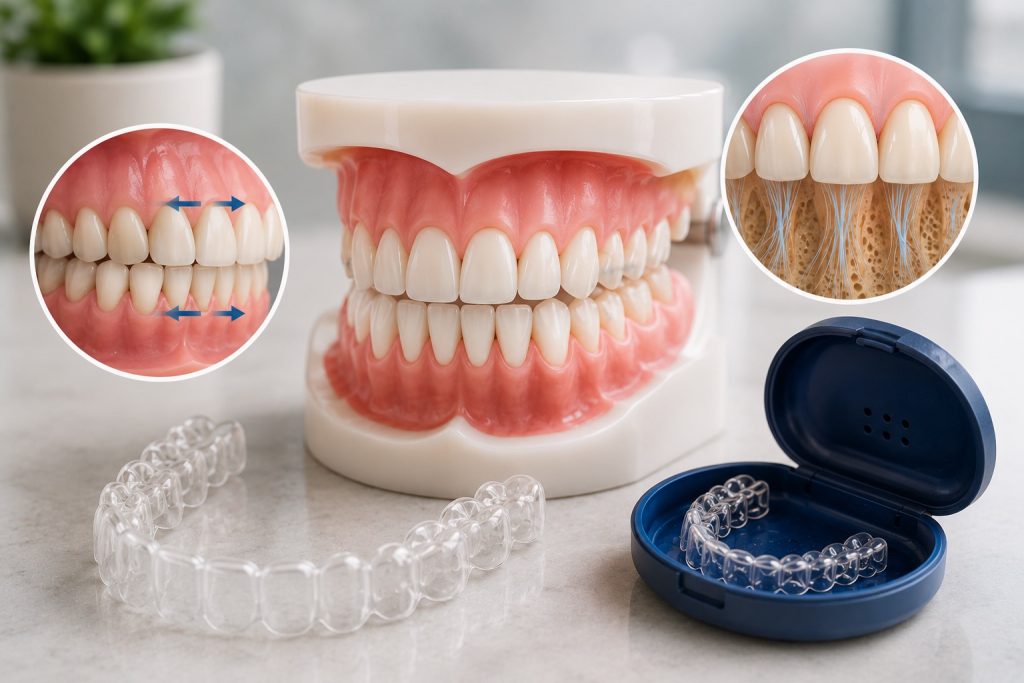
Teeth don’t stay perfectly still once braces come off. The fibers that connect each tooth to the bone have a kind of memory, and they slowly pull teeth back toward where they started. This pull is strongest in the first months, which is why full-time wear matters early on.
Other forces keep acting on your teeth for life. Your jaw changes shape slightly as you age, and everyday pressure from your lips, tongue, and chewing nudges teeth over time. Because these forces never stop, retention is now seen as a long-term habit, not a short phase.
What Happens If You Stop Wearing Your Retainer
If you stop wearing your retainer, your teeth gradually drift back toward their old positions. This is called relapse. The lower front teeth are usually the first to crowd, and the change can start within weeks of stopping.
Mild relapse may be only a small shift you notice in the mirror. More serious relapse can undo much of your result and may need new braces orclear aligners to fix. Wearing your retainer as prescribed is far easier than repeating treatment — see thebenefits of wearing your retainer for more.
What Affects How Long You Wear It
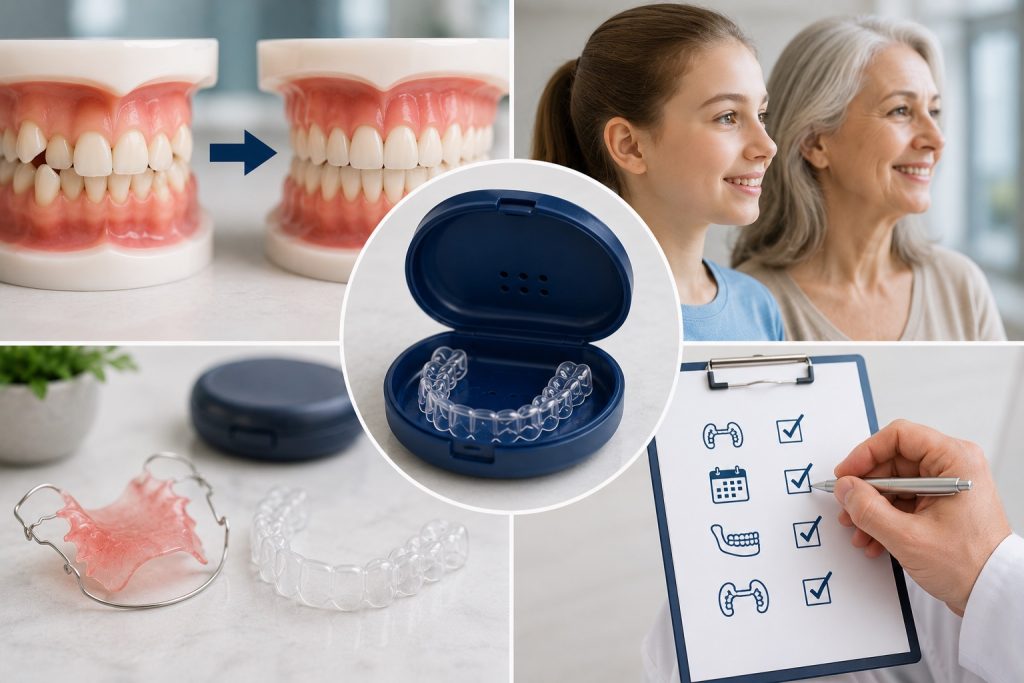
The basic schedule is similar for most people, but a few things change the details. If your teeth were badly crowded, rotated, or spaced before braces, they’re more likely to relapse, so your orthodontist may keep you in full-time wear longer.
Age also plays a role. Younger patients are still growing, which can affect stability, while in adults the jaw keeps changing slowly for decades. Your retainer type matters too, since a fixed retainer works around the clock on its own, while a removable one only works when you actually wear it. Your orthodontist sets your exact schedule based on your case and your check-ups.
Does the Type of Retainer Change How Long You Wear It?
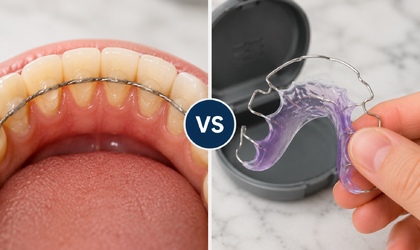
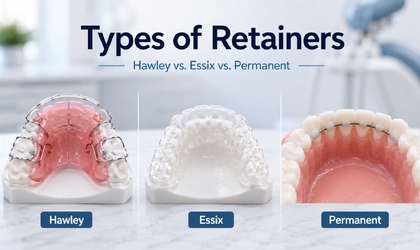
Every retainer type follows the same goal of lifelong retention, but the daily routine differs. A removable retainer, whether clear or Hawley, needs you to remember to wear it every night. A permanent retainer is bonded behind your front teeth and stays in all the time, so it retains those teeth without any effort.
Many patients use both. A common setup is a fixed retainer on the lower front teeth, where crowding is most common, plus a removable retainer on top for nights. Whichever type you have, the timeline is the same, so protect your smile for the long term.
Frequently Asked Questions
How long do you wear a retainer after braces?
You wear it full-time for the first 3 to 6 months, then every night after that. Most orthodontists recommend nightly wear indefinitely, since teeth tend to shift throughout life.
Do you have to wear a retainer forever?
For lasting results, yes — at least at night. Teeth keep shifting slowly with age, so stopping retainer wear is the main reason results relapse. Nightly wear is a small effort that protects your treatment for good.
Can I wear my retainer only a few nights a week?
Some patients can reduce to a few nights a week after years of stable wear, but only with their orthodontist’s guidance. Nightly wear is the safest default. If your retainer feels tight after a night off, your teeth are still moving and you should not cut back.
Is it too late to start wearing my retainer again?
If your old retainer still fits, you can start wearing it again right away — full-time for a few weeks, then back to nights. If it doesn’t fit or it hurts, don’t force it. See your orthodontist, who can make a new one or check whether your teeth have shifted.
What happens if I don’t wear my retainer?
Your teeth slowly drift back toward their original positions, starting with the lower front teeth. Relapse can begin within weeks and may eventually require new braces or aligners to correct.
How long do you wear a retainer after Invisalign?
The schedule is the same as after braces: full-time for the first 3 to 6 months, then nightly for the long term. Clear aligner results relapse just like braces results if you stop wearing a retainer.
How Long to Wear a Retainer After Braces
Becker Orthodontics creates custom retainers and sets a clear retention plan for every patient at two Pennsylvania offices, in Phoenixville (1288 Valley Forge Road, Suite 60) and Plymouth Meeting (1310 Germantown Pike). Both offices offer the same care and can be reached at (610) 935-1547.
Finishing braces soon, or worried your teeth have shifted?Schedule a free consultation orcontact us at either office.