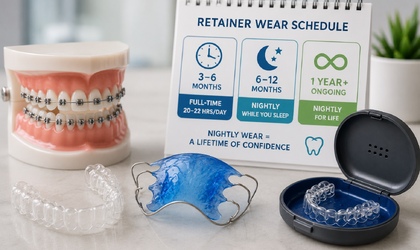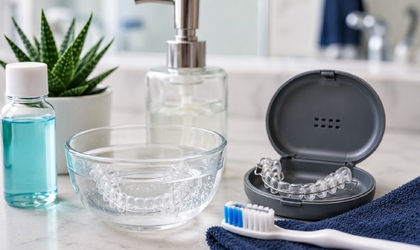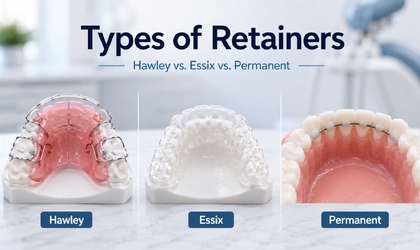
A permanent retainer and a removable retainer do the same job. They hold your teeth in place after orthodontic treatment. The difference is how they stay in. A permanent retainer is a thin wire bonded behind your front teeth, and it stays in full-time. A removable retainer is an appliance you take in and out, such as a Hawley or a clear retainer.
This guide compares the two on comfort, cleaning, cost, and upkeep. It also explains how to pick the right one after braces or clear aligners. For the full service, see our orthodontic retainers page.
Permanent vs. Removable Retainer – The Short Answer
A permanent retainer is best if you want a no-effort option that works around the clock. A removable retainer is best if you want something you can take out to eat and clean.
The table below compares the two at a glance.
| Feature | Permanent retainer | Removable retainer |
| How it stays in | Bonded behind front teeth, full-time | You take it in and out |
| Visibility | Hidden behind teeth | Clear type is invisible; Hawley shows a wire |
| Cleaning | Harder — clean under the wire daily | Easy — take it out to clean |
| Compliance | Automatic; can’t forget it | Depends on you remembering |
| Lifespan | Many years | Hawley 5–10 yrs; clear 1–3 yrs |
| Cost (per arch) | $250–$500 | $100–$300 |
| Best for | Forgetful wearers, high relapse risk | Easy cleaning, flexibility |
Many patients end up using both, which we explain further down.
What Is a Permanent Retainer?
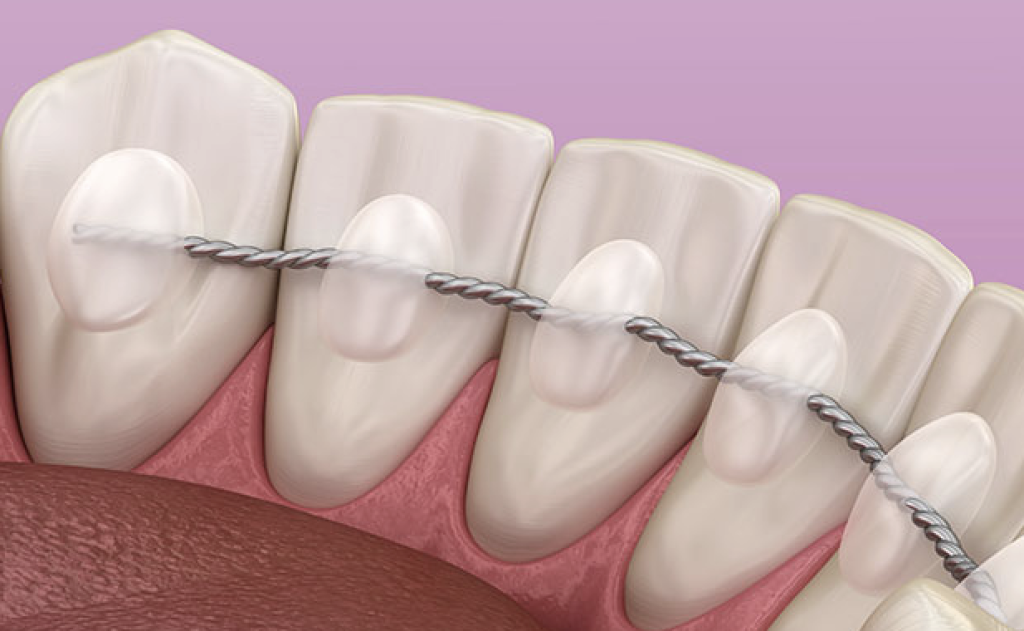
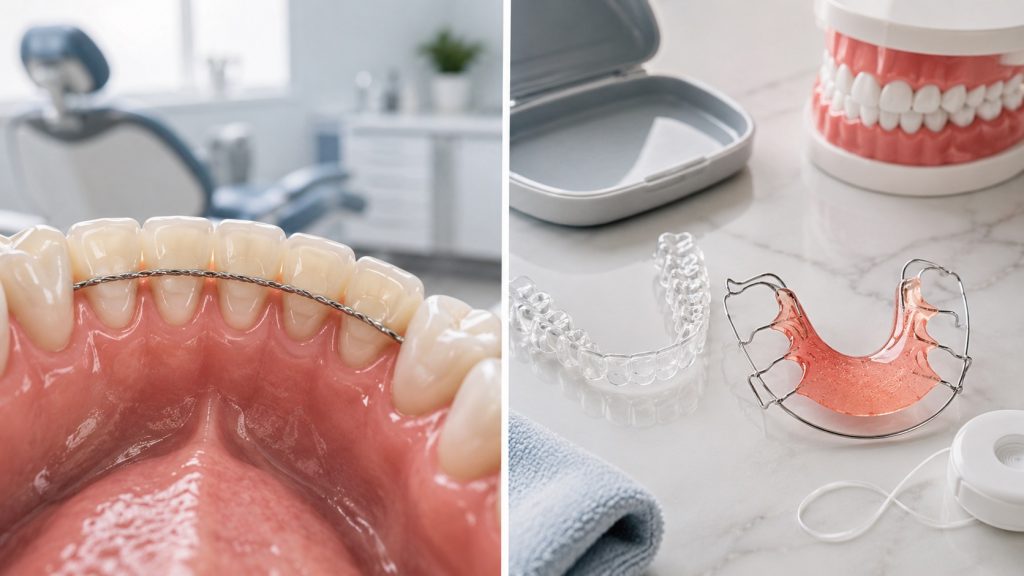
A permanent retainer is a thin metal wire bonded to the back of your front teeth. It stays in place full-time, and you can’t take it out yourself. It’s also called a fixed or bonded retainer.
Orthodontists often suggest it for patients who might forget a removable retainer.
Pros
- It works around the clock, with no effort on your part.
- It’s hidden behind your teeth, so no one sees it.
- It doesn’t affect your speech.
- You can’t lose it or forget to wear it.
Cons
- It’s harder to clean, since you have to floss under the wire.
- It can break if you bite hard foods, and a break needs prompt emergency orthodontic care.
- The wire can irritate your tongue at first.
- It holds only the front teeth, not the back ones.
What Is a Removable Retainer?
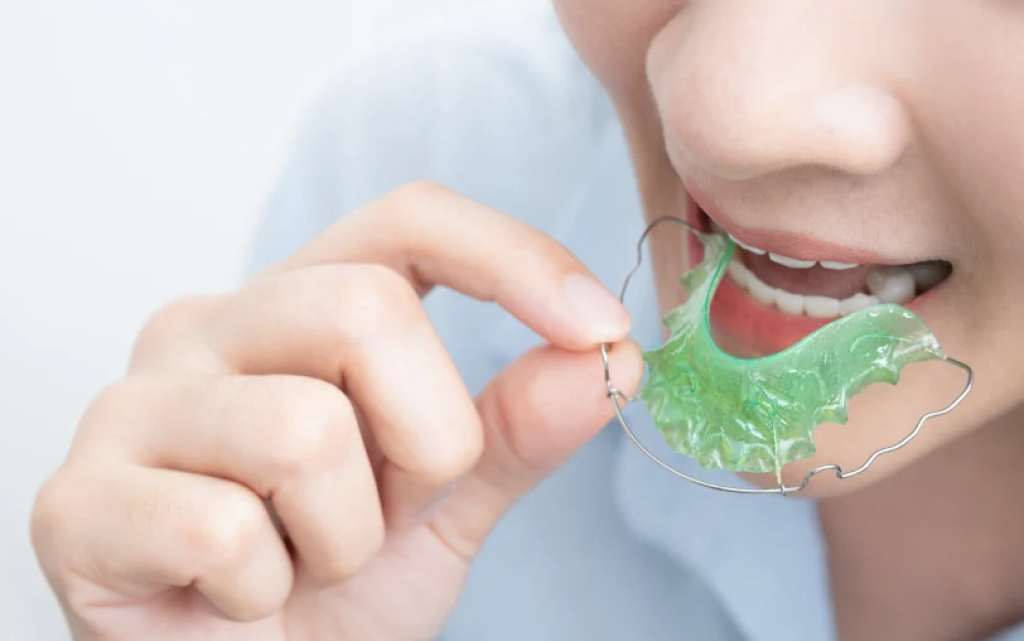
A removable retainer is an appliance you take in and out yourself. There are two common kinds. The Hawley has an acrylic plate and a metal wire. The clear retainer is a see-through plastic tray, also called Essix.
You wear it as prescribed, then clean it while it’s out.
Pros
- You can take it out to eat, brush, and floss.
- It’s easy to clean.
- A Hawley can be adjusted if a tooth shifts a little.
- A clear retainer is nearly invisible.
Cons
- It only works if you remember to wear it.
- It’s easy to lose or throw away by accident.
- Clear retainers wear out and need replacing every 1 to 3 years.
- Poor cleaning can let bacteria build up.
Cost – Permanent vs. Removable Retainer
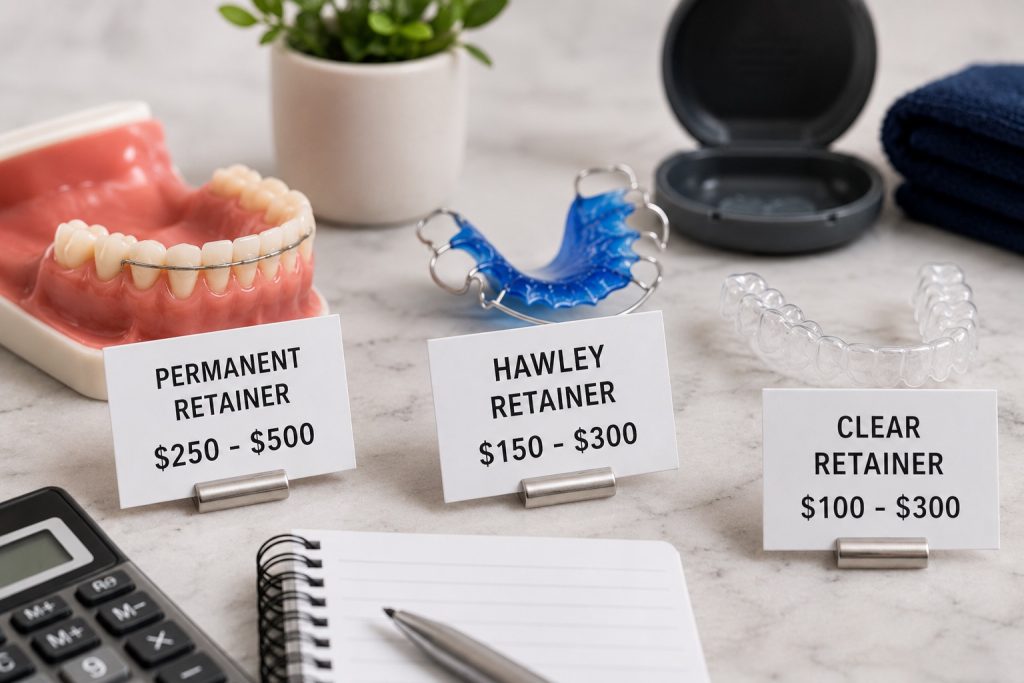
Per arch, a permanent retainer usually costs $250 to $500. A removable retainer costs less up front. A Hawley runs about $150 to $300, and a clear one runs about $100 to $300.
Keep two things in mind. You may need a retainer for both the top and bottom teeth, which doubles the cost. And removable retainers are easy to lose, so replacements can add up over time.
Your first retainer is often included in your braces or Invisalign fee. Ask what’s covered before treatment starts.
How to Choose Between a Permanent and Removable Retainer
The right choice comes down to four things: how reliably you’ll wear it, how your teeth started, your comfort, and your budget.
Compliance
Choose a permanent retainer if you might forget a removable one, since it works on its own.
Relapse risk
A permanent retainer is often better if your teeth were badly crowded, rotated, or spaced before treatment.
Comfort and cleaning
Choose a removable retainer if easy cleaning matters most, or if a wire on your tongue would bother you.
Appearance
A clear retainer and a permanent retainer are both nearly invisible, while a Hawley shows a front wire.
Your orthodontist will recommend a type based on your case and how your teeth settle after treatment.
Can You Use Both?
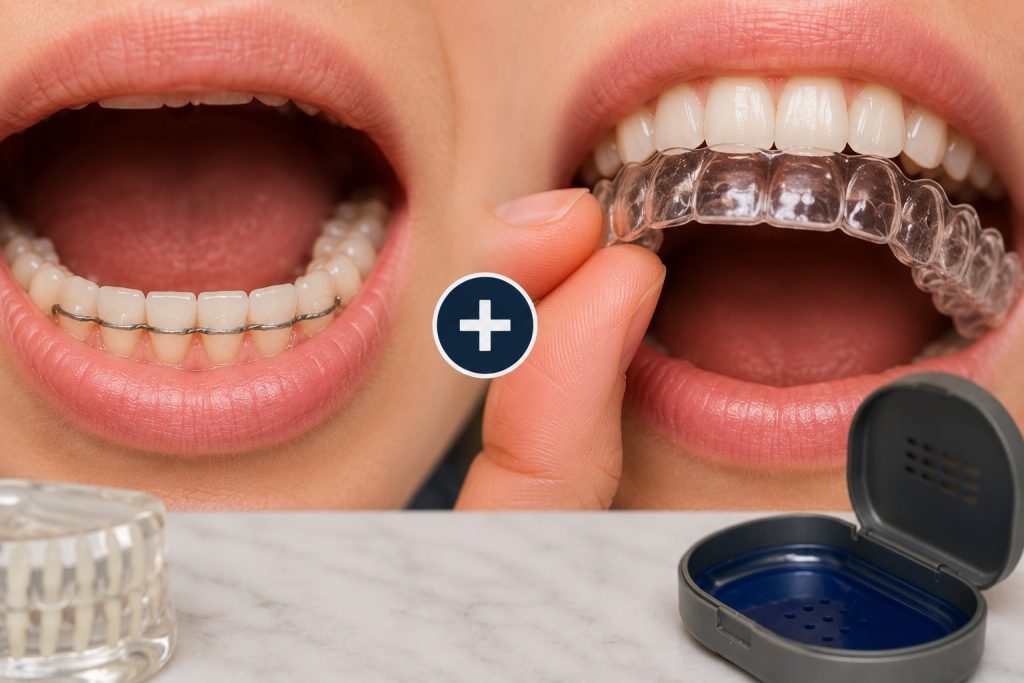
Yes, and many patients do. A common setup is a permanent retainer on the lower front teeth plus a removable retainer on top.
This pairs steady, no-effort support on the bottom with easy cleaning and full coverage on top. It’s a good middle ground if you can’t decide.
Frequently Asked Questions
Which lasts longer, a permanent or removable retainer?
A permanent retainer usually lasts longer and often stays in place for many years. Among removable retainers, a Hawley can last 5 to 10 years, while a clear retainer needs replacing every 1 to 3 years.
Is a permanent or removable retainer better?
Neither is better for everyone. A permanent retainer is better for people who might forget to wear a removable one. A removable retainer is better for people who want easy cleaning and the option to take it out.
Can a permanent retainer be removed later?
Yes. An orthodontist can remove a permanent retainer if needed and switch you to a removable one. You should not try to remove it yourself.
Do permanent retainers cause more cavities?
They can if you don’t clean around them well. The bonded wire traps plaque, so daily flossing under the wire with a floss threader or water flosser is important.
How long do you have to wear a removable retainer?
Most patients wear a removable retainer full-time at first, then switch to nights only. Nightly wear usually continues long-term to keep teeth from shifting — see the benefits of wearing your retainer.
Can you switch from a removable to a permanent retainer?
Yes. If you keep losing or forgetting a removable retainer, ask your orthodontist about switching to a permanent one for steadier results.
Permanent & Removable Retainers at Becker Orthodontics in Phoenixville & Plymouth Meeting, PA
Becker Orthodontics fits both permanent and removable retainers at two Pennsylvania offices, in Phoenixville (1288 Valley Forge Road, Suite 60) and Plymouth Meeting (1310 Germantown Pike). Both offices offer the same care and can be reached at (610) 935-1547.
Not sure which retainer is right for you? Schedule a free consultation or contact us at either office.