If you’ve lost or broken your retainer, call your orthodontist as soon as you can to get a replacement made, and keep wearing an older retainer in the meantime if you have one. Acting quickly matters because your teeth can start drifting within days, especially if you recently finished braces.
Losing a retainer isn’t a true emergency, and it happens to a lot of people, so there’s no need to panic. The main thing is to limit how long your teeth go unsupported while a new retainer is on the way.
What to Do If You Lost or Broke Your Retainer

The right move is to act fast and get a replacement in motion. Here are the steps to take.
Don’t panic, but act soon
A day or two without your retainer is usually fine, so take a breath, then start sorting out a replacement the same day if you can.
Search the common spots
Lost retainers are often wrapped in a napkin, left in a bag, or sitting by the sink, so check those before assuming it’s gone for good.
Stop wearing a broken one if it’s sharp
A cracked or warped retainer can cut your gums or push your teeth the wrong way, so set it aside instead of forcing it in.
Call your orthodontist
They can make a replacement, often from a scan they already have on file, and tell you how urgent your particular case is.
Wear an older retainer if you have one
An earlier retainer, even a snug one, helps hold your teeth in position until the new one arrives.
Keep brushing and flossing
Good hygiene keeps your mouth healthy and your teeth in better shape while you wait for the replacement.
Will Your Teeth Shift Without a Retainer?
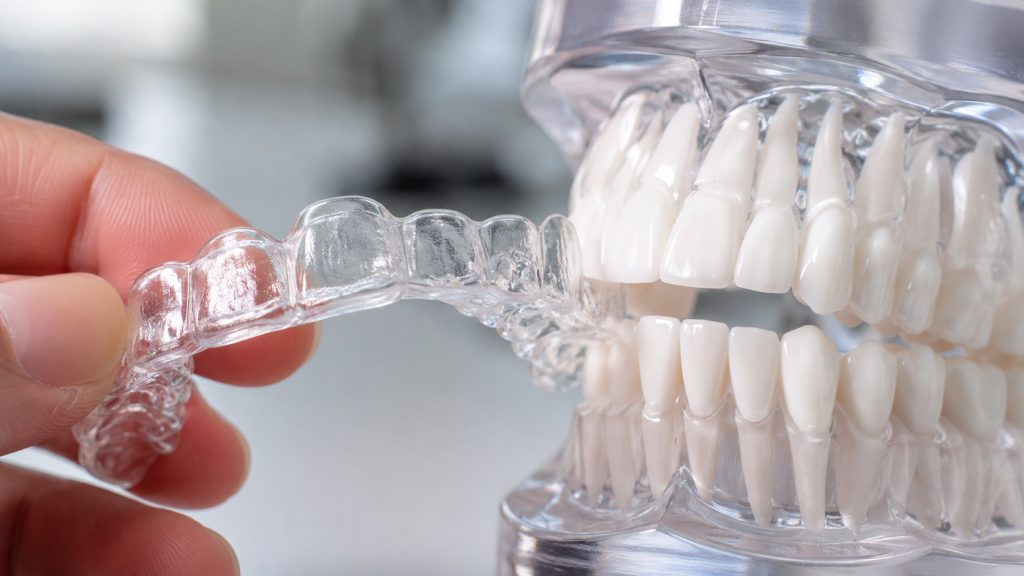
Yes, your teeth can shift without a retainer, and it can start sooner than most people expect. After braces, your teeth naturally tend to drift back toward their old positions, and the retainer is what holds them in place.
How quickly this happens depends mostly on how long ago you finished treatment. If you got your braces off in the last year, your teeth are still settling and can move quickly. If you’ve worn a retainer for years, your teeth are more stable and tend to move more slowly.
How Fast Do Teeth Shift?
Teeth can begin moving within a few days without a retainer, especially soon after braces. You might notice this when you find your old retainer, and it suddenly feels tight. That tightness means your teeth have already started to drift, which is your cue to act quickly.
How Long Can You Go Without a Retainer?
You can usually go a day or two without your retainer without much trouble. Beyond that, the goal is to get a replacement within about one to two weeks to limit any movement.
The right timing depends on your situation. If you recently finished braces, treat it as urgent and reach out to your orthodontist within a few days. If your teeth have been stable for years, you have a little more breathing room, but you still shouldn’t wait long.
The longer you go without a retainer, the more your teeth move. If they drift far enough, a new retainer may no longer fit, and you may need fresh impressions or even another round of treatment.
What Can You Use as a Temporary Retainer?
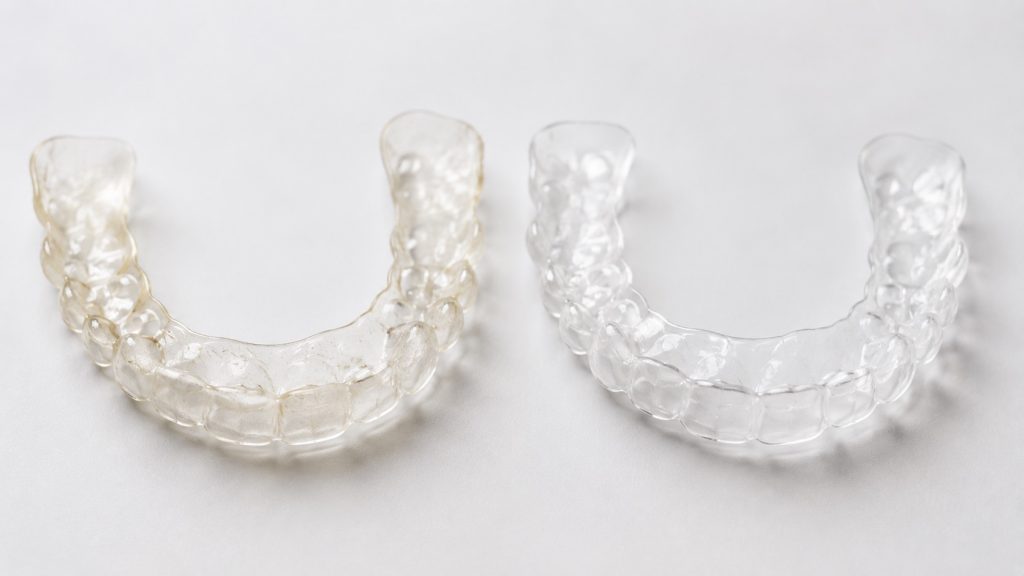
The best temporary retainer is an older one you already own. An earlier retainer that still fits, even if it feels tight, can hold your teeth until your replacement is ready. If an old one causes real pain, stop wearing it and call your orthodontist.
There’s no safe way to make a retainer at home, so it’s worth knowing what to avoid.
- Wear an older retainer if you still have one
- Use dental wax only to cover a sharp broken edge
- Skip DIY or boil-and-bite retainer kits from the internet
- Don’t force a painful or badly fitting retainer
DIY retainer hacks can damage your teeth and gums and won’t actually hold your alignment, so they end up doing more harm than good. When in doubt, a quick call to your orthodontist beats any home fix.
How Much Does It Cost to Replace a Lost Retainer?
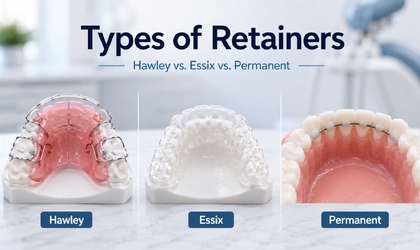
A replacement retainer in the US usually costs about the same as your original, and the price mostly depends on the type. Here’s what to expect per arch, meaning the top or bottom row of teeth.
| Retainer type | Typical replacement cost |
| Clear / Essix | $100–$300 per arch |
| Hawley | $150–$400 per arch |
| Permanent / bonded | $250–$500 per arch |
Keep in mind these are per-arch prices, so a full top-and-bottom set costs about double. If your orthodontist has a digital scan of your teeth on file, they can often make a replacement without new impressions, which can save you a visit.
Can You Get a Replacement for Free?
A free replacement isn’t the norm, but it’s worth asking about. Many practices include at least one replacement during the first year or two after braces, so check what your treatment contract actually covers.
Dental insurance usually won’t pay for a replacement retainer because it often considers your first set already covered. You can still use an FSA or HSA to pay with pre-tax dollars, and mail-in retainer services can be a cheaper option if your teeth haven’t shifted.
How to Avoid Losing Your Retainer Again
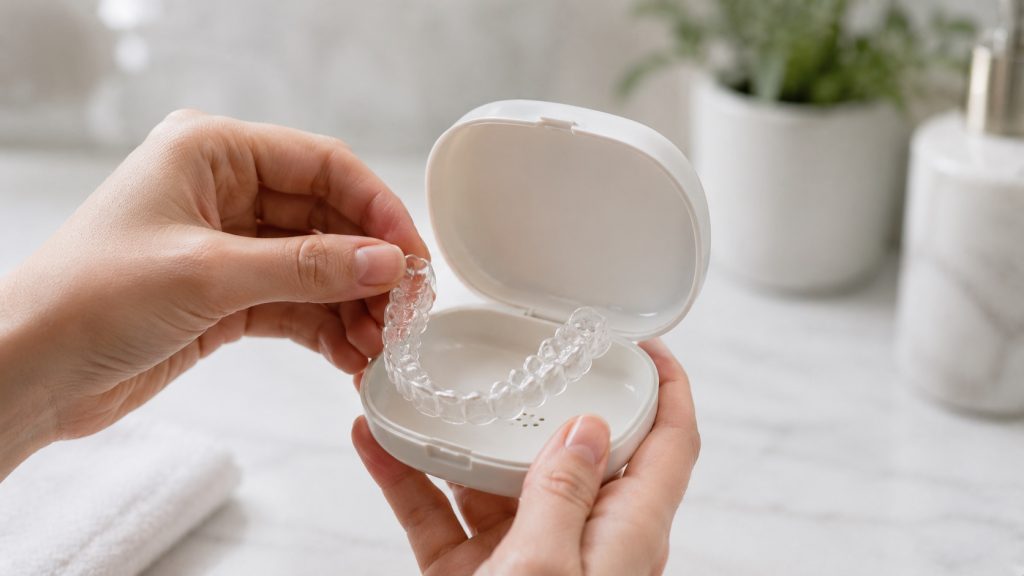
The simplest way to avoid another lost retainer is to give it one home: its case. Most retainers go missing because they were wrapped in a napkin, left on a restaurant table, or set down somewhere random.
A few easy habits keep you safe. Always put it in its case when it’s not in your mouth, never wrap it in a tissue, and keep the case in your bag or pocket when you eat out. It also helps to keep a backup retainer, since a cheap spare is far less of a hassle than an emergency replacement.
Frequently Asked Questions
Is losing a retainer a dental emergency?
Not exactly. Losing a retainer doesn’t cause pain or harm the way a true dental emergency does, so you don’t need urgent care. It is time-sensitive, though, because your teeth can shift, so call your orthodontist within a day or two.
Can you get a replacement retainer for free?
Sometimes, but not usually. Many orthodontists include one replacement during the first year or two after braces, so check your treatment contract. After that, you’ll typically pay out of pocket, since insurance rarely covers replacements.
Can your teeth shift in 3 days?
Yes, minor shifting can begin within a few days, especially soon after braces. You may notice an old retainer feels tight after just a short time without it. The movement is usually small at first, but it adds up the longer you wait.
Is 2 days without a retainer okay?
Usually, yes. A day or two without your retainer rarely causes a problem, especially if your teeth have been stable for a while. Just don’t let it stretch into weeks, and replace it as soon as you can.
How common is it to lose a retainer?
Very common. Lost and broken retainers are among the most common issues orthodontists deal with, often due to being wrapped in a napkin or chewed by a pet. So if it happened to you, you’re in good company.
How much does it cost to replace a lost retainer?
In the US, a replacement clear retainer usually costs $100 to $300 per arch, a Hawley $150 to $400, and a permanent retainer $250 to $500. A full top-and-bottom set costs about twice as much. Mail-in options can be cheaper if your teeth haven’t moved.